
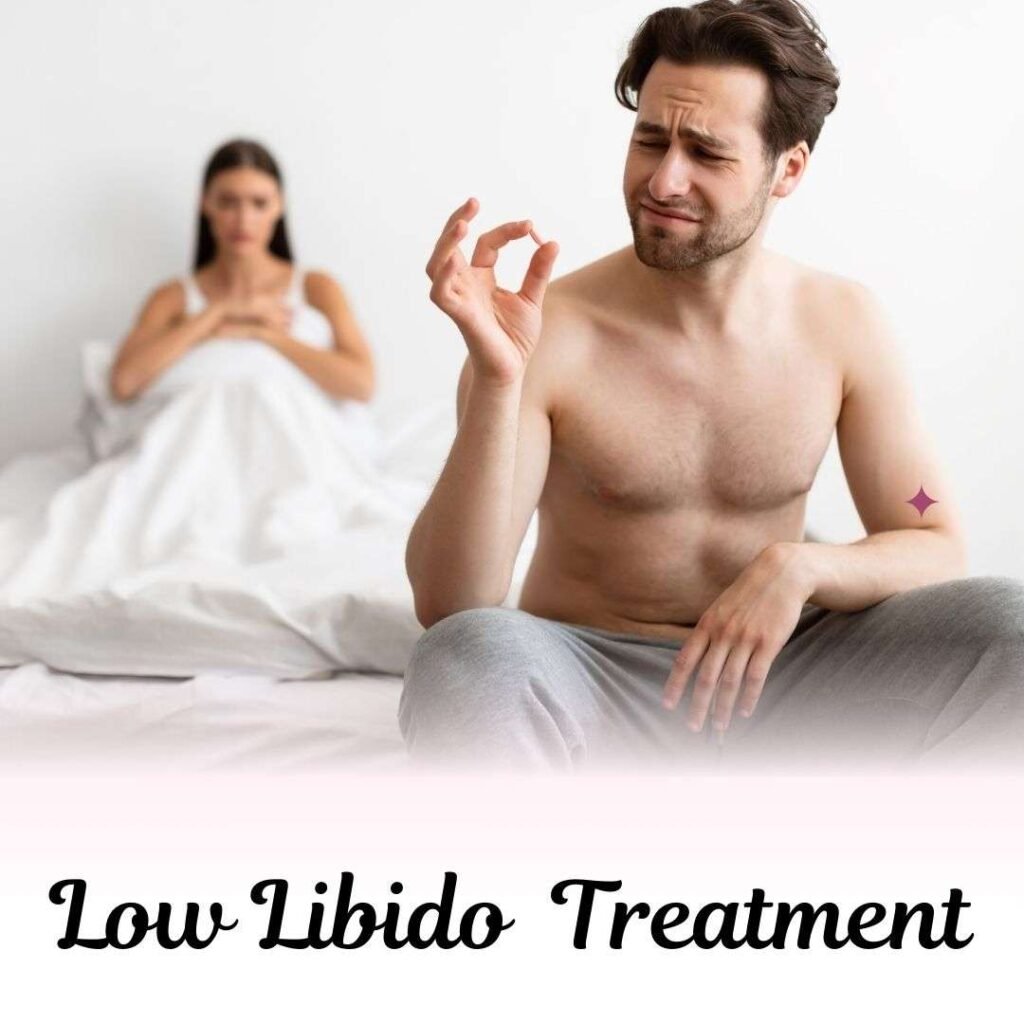
Low Libido Treatment Raipur Clinic | Apex Clinic Dr. Rajesh Rathi
Low libido treatment Raipur clinic services at Apex Clinic aim to help individuals reclaim healthy sexual function with safe, evidence-based medical care. Low libido affects physical, emotional, and relationship wellness, and many people feel confused or embarrassed before seeking help. However, with the right guidance, diagnosis, and personalized care, improvement becomes possible for almost everyone. At Apex Clinic, Dr. Rajesh Rathi focuses on identifying root causes and offering tailored treatment plans that support long-term sexual health. This guide explores everything you should know before choosing treatment, including causes, symptoms, medical approaches, lifestyle changes, and how Apex Clinic provides expert care for low libido.
Understanding Low Libido and Its Impact on Daily Life
Low libido describes a reduced interest in sexual activity. Although it is common, many hesitate to discuss it because they fear judgment or stigma. However, low libido is not a permanent condition. It is usually a sign of an underlying issue that can be corrected with the right medical support. Some individuals experience temporary dips due to stress, fatigue, or conflict, while others notice that the problem lasts longer or becomes more intense over time. When this continues, it starts to affect self-confidence, emotional stability, and relationships. Because sexual health is closely linked with hormones, mood, and physical wellness, treatment requires a complete and holistic approach. Apex Clinic in Raipur addresses these concerns with compassion and expertise, helping patients understand their bodies and the reasons behind reduced desire.
What Makes Apex Clinic a Preferred Choice for Low Libido Treatment?
Apex Clinic under the guidance of Dr. Rajesh Rathi stands out for its modern diagnostic tools, personalized care, and patient-centric approach. The clinic focuses on identifying specific patterns rather than offering general advice. Each case is studied carefully, and treatment is tailored based on medical history, hormonal levels, psychological factors, and lifestyle habits. Moreover, the clinic provides a private, comfortable, and non-judgmental environment, which encourages patients to speak openly. Because discretion matters, consultations remain confidential, and patients receive dedicated time to discuss concerns in depth. Dr. Rathi combines medical expertise with empathy, ensuring every person feels heard, understood, and supported. Many patients report improved satisfaction not only in their sexual health but also in their overall wellness.
Common Causes of Low Libido in Men and Women
Low libido can arise from physical, emotional, hormonal, or lifestyle-related factors. Sometimes, a combination of these issues contributes to reduced desire. Understanding the cause is essential because effective treatment depends on accurate diagnosis. Although men and women experience low libido differently, several root causes remain common across genders. Hormonal fluctuations often play a key role, and they influence mood, energy, and arousal. Stress, anxiety, and relationship strain can also lower sexual interest. Certain medications, chronic illnesses, and sleep issues may contribute too. When these factors accumulate, libido dips gradually until it begins to affect daily life. At Apex Clinic, specialists examine these dimensions carefully before creating a treatment plan.
Treatment Methods Explained
At Apex Clinic, treatment options are structured to meet specific needs. Depending on the cause, patients may receive one or more of the following solutions:
Hormonal therapy to correct imbalances
Medications to improve blood flow or sexual response
Stress and anxiety management programs
Nutritional supplements for energy and wellness
Counseling for emotional or relationship concerns
These methods help restore natural desire and improve sexual functioning.
Lifestyle Changes That Support Libido Recovery
Lifestyle plays a major role in sexual health. Simple changes boost energy and arousal in many cases. Apex Clinic often recommends adjustments such as:
Regular physical activity to improve stamina
Balanced diet that supports hormone function
Adequate sleep for mental clarity and energy
Reduced alcohol or smoking for better circulation
Mindfulness practices to lower stress
These changes strengthen treatment and support long-term recovery.
Emotional Health and Its Influence on Sexual Desire
Emotional stability influences libido, sometimes more than physical health. Stress, relationship conflict, and performance anxiety often reduce interest in intimacy. Many individuals find that low libido improves once emotional well-being is restored. Apex Clinic provides counseling support when required, helping patients handle worries, insecurities, and communication gaps. When couples struggle with understanding each other’s needs, therapy helps create openness and connection. Because sexual desire is linked to comfort and mental peace, emotional healing becomes one of the most important aspects of recovery. As mental pressure reduces, confidence grows, and sexual interest returns naturally.
Frequently Asked Questions (FAQ)
1. When should I consult Dr. Rajesh Rathi?
If emotional or psychological symptoms interfere with daily life, relationships, or work, it’s time to consult a psychiatrist.
2. Will I need medication?
Not necessarily. Treatment may include counselling, therapy, lifestyle changes, or medication depending on your diagnosis.
3. How long does treatment take?
Treatment duration varies because every case is different. Some patients improve in a few sessions, while others need long-term support.
4. Are consultations confidential?
Yes, absolutely. All information shared with Dr. Rajesh Rathi at Apex Clinic remains strictly confidential.
5. Does Dr. Rajesh Rathi offer online consultations?
Yes, online and offline appointments are available for convenience.
Your mental well-being matters. Whether you are struggling with mild emotional stress or a long-standing psychological condition, seeking help is a positive step toward healing.