
Best Bipolar Disorder Doctor In Kanker | Apex Clinic
Finding the Best Bipolar Disorder Doctor in Kanker is a crucial step toward long-term emotional stability and mental well-being. Bipolar disorder is a complex mental health condition that affects mood, energy, thinking patterns, and daily functioning. Without timely care, it can significantly impact personal relationships, work life, and overall quality of life.
Understanding Bipolar Disorder and Its Impact on Daily Life
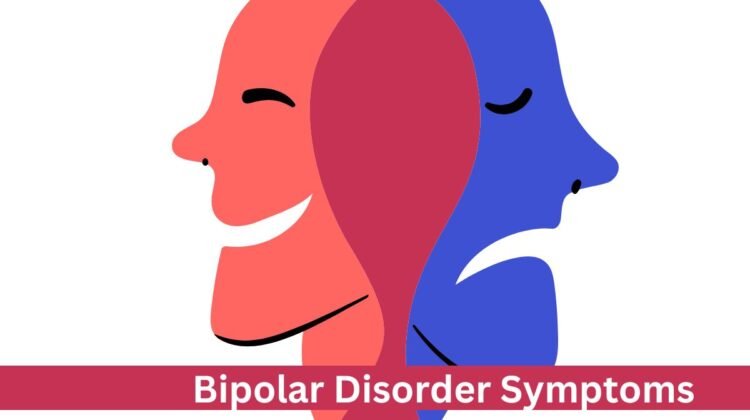
Bipolar disorder is a mood disorder characterized by alternating episodes of emotional highs and lows. These episodes may appear as extreme happiness, high energy, or impulsive behavior, followed by deep sadness, fatigue, or emotional withdrawal. Because symptoms vary widely, many people struggle for years before receiving the right diagnosis.
This condition affects not only emotional health but also professional performance, family relationships, and physical well-being. Without structured treatment, symptoms may intensify over time. Therefore, early intervention by the Best Bipolar Disorder Doctor in Kanker can significantly improve long-term outcomes.
Why Professional Diagnosis Is Essential for Bipolar Disorder
Accurate diagnosis is the foundation of effective treatment. Bipolar disorder often overlaps with anxiety, depression, or stress-related disorders, making self-diagnosis unreliable. A trained psychiatrist evaluates emotional patterns, behavioral changes, medical history, and lifestyle factors before reaching a conclusion.
At Apex Clinic, diagnostic assessments are thorough and compassionate. Mental health professionals use clinical interviews, standardized screening tools, and observation over time to ensure accurate identification. This careful approach helps avoid misdiagnosis and supports the creation of an effective treatment plan.
Role of the Best Bipolar Disorder Doctor in Kanker
A skilled specialist does more than prescribe medication. The best bipolar disorder doctor in Kanker provides long-term guidance, emotional reassurance, and structured monitoring. Treatment is never one-size-fits-all. Instead, it evolves based on the patient’s progress, age, lifestyle, and personal challenges.
Doctors at Apex Clinic focus on building trust and consistency. They help patients understand their condition, manage triggers, and develop coping strategies that support stability. Over time, this therapeutic relationship plays a vital role in long-term recovery.
Advanced Diagnostic and Treatment Approach at Apex Clinic
Apex Clinic follows a holistic and evidence-based approach to mental health care. Treatment begins with understanding each patient’s emotional history, stress factors, and lifestyle habits. Medical evaluations are combined with psychological assessments to ensure accurate diagnosis.
Once the diagnosis is confirmed, treatment plans are customized. These plans may include medication management, therapy sessions, lifestyle counseling, and ongoing evaluations. The clinic prioritizes patient safety and comfort at every stage of care.
Medication Management and Monitoring
Medication often plays a key role in stabilizing mood fluctuations. However, correct dosage and careful monitoring are essential. At Apex Clinic, doctors regularly assess treatment effectiveness and adjust medications as needed.
Patients receive clear explanations about benefits, possible side effects, and expected timelines. This transparency builds confidence and improves treatment adherence. Continuous follow-ups ensure long-term stability and reduced relapse risk.
Therapeutic Support and Counseling Services
Medication alone cannot address every aspect of bipolar disorder. Emotional support and therapy are equally important. Apex Clinic integrates psychotherapy into treatment plans to help individuals understand their emotional patterns and develop healthy coping mechanisms.
Therapy sessions focus on improving emotional regulation, strengthening relationships, and managing stress. Over time, patients gain greater self-awareness and confidence in handling daily challenges.
Lifestyle Guidance for Long-Term Stability
Living well with bipolar disorder requires consistent lifestyle habits. Doctors at Apex Clinic guide patients toward balanced routines that support mental health. This includes maintaining regular sleep cycles, managing stress, and avoiding triggers.
Patients also receive guidance on nutrition, physical activity, and mindfulness practices. These lifestyle adjustments play a supportive role alongside medical treatment and enhance long-term stability.
FAQs
Can mental health disorders be fully treated?
Yes. With proper evaluation, structured therapy, and adherence to the treatment plan, most patients achieve significant long-term recovery.
Do psychiatric conditions affect all age groups?
Yes. Mental health disorders can affect individuals of all ages, from children and adolescents to adults and older adults.
How long does treatment take?
The length of treatment varies based on the disorder’s type and severity, but many individuals experience noticeable improvements after a few weeks of regular therapy
Are consultations confidential?
Yes. All sessions, records, and treatments remain completely private and secure.
Can therapy improve family and personal relationships?
Yes. Treatment addresses emotional and relational challenges, improving communication, trust, and overall family dynamics.
If you are experiencing emotional distress, anxiety, depression, or other mental health concerns, professional care is available. Best Psychiatrist Kanker Clinic, Dr. Rajesh Rathi, offers personalized, confidential, and structured treatment to restore mental wellbeing, emotional balance, and quality of life.
- Additionally
- Moreover
- Furthermore
- Also
- In addition
- Not only that
- As well as
- Therefore
- As a result
- Consequently
- Because of this
- Hence
- Thus
- Due to
- However
- On the other hand
- Although
- Even though
- Whereas
- In contrast
- Similarly
- Likewise
- First