
Indore Bipolar Disorder Doctor – Expert Care by Dr. Rajesh Rathi
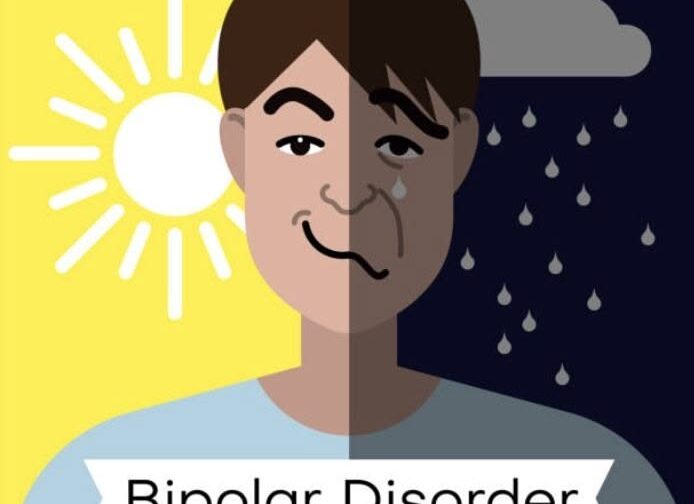
Finding an experienced Indore bipolar disorder doctor can help individuals understand recurring mood changes, emotional difficulties and changes in daily behaviour. Bipolar disorder is a mental health condition characterised by episodes of depression and mania or hypomania. These episodes can affect a person’s mood, energy, sleep, thinking and everyday activities.
People experiencing bipolar disorder may sometimes feel unusually energetic, active or irritable. At other times, they may experience persistent sadness, low motivation and reduced interest in daily activities. Consequently, these changes can affect relationships, education, professional responsibilities and personal well-being.
However, bipolar disorder can be managed with appropriate psychiatric care. A qualified psychiatrist can assess symptoms, identify the pattern of mood episodes and recommend a suitable treatment plan. Depending on individual needs, treatment may include medication, psychological interventions, regular monitoring and family support.
Understanding Bipolar Disorder – Insights From Dr. Rajesh Rathi
Bipolar disorder involves changes between different mood states, including manic, hypomanic and depressive episodes. These episodes involve noticeable changes in a person’s usual mood, energy and activity levels.
During a manic episode, an individual may experience an unusually elevated or irritable mood, increased energy, reduced need for sleep and rapid speech. Some people may also experience racing thoughts, increased confidence, distractibility or impulsive decisions. In certain cases, mania can seriously affect judgement and everyday functioning.
Hypomania involves similar changes but generally causes less severe impairment than mania. Nevertheless, it can still affect relationships, work and personal decisions.
During a depressive episode, individuals may experience persistent sadness, fatigue, reduced interest, sleep disturbances, difficulty concentrating and feelings of hopelessness. Some people may also experience thoughts of self-harm or suicide.
When Should You Consult an Indore Bipolar Disorder Doctor?
Consulting a qualified psychiatrist becomes important when mood changes repeatedly interfere with everyday life. Some individuals may notice periods of unusually high energy followed by episodes of low mood. Others may initially seek help for depression without recognising earlier symptoms of mania or hypomania.
Warning signs may include sleeping very little without feeling tired, talking excessively, experiencing racing thoughts, taking unusual risks or making impulsive financial decisions. Similarly, persistent sadness, loss of interest, reduced energy and difficulty concentrating may indicate a depressive episode.
In addition, some individuals may experience irritability, restlessness or difficulty maintaining relationships during mood episodes. These symptoms deserve professional attention, particularly when they become intense or recurring.
A psychiatrist can review the person’s medical history, previous mood changes, sleep patterns and family history. Furthermore, early assessment can help identify suitable treatment options and reduce the risk of complications.
Psychiatric Assessment and Bipolar Disorder Diagnosis
A comprehensive psychiatric assessment forms an important part of bipolar disorder diagnosis and treatment. During the consultation, the psychiatrist discusses the individual’s mood history, emotional experiences, sleep patterns and behavioural changes.
The assessment may include questions about previous depressive episodes, periods of increased energy, impulsive behaviour and changes in daily functioning. Moreover, the psychiatrist may ask about family mental health history, medical conditions, current medication and substance use.
In some situations, information from family members can help clarify the pattern and duration of mood changes. This information may be particularly useful when the individual has difficulty recalling previous episodes.
The psychiatrist may also consider other conditions that can produce similar symptoms. For example, certain medical conditions, medications and substance-related problems can influence mood and behaviour.
Bipolar Disorder Treatment Through Medication and Mood Stabilisation
Medication plays an important role in managing bipolar disorder. Depending on the current mood episode and individual clinical needs, a psychiatrist may prescribe mood stabilisers or antipsychotic medication.
Mood stabilisers help manage mood episodes and reduce the likelihood of future episodes. Lithium and certain other medicines may form part of long-term treatment. However, medication selection depends on symptom patterns, previous treatment response, medical history and possible side effects.
Some medicines require regular blood tests or other health monitoring. For example, lithium treatment requires clinical supervision and laboratory monitoring to support safe use.
Furthermore, medication needs may change according to the person’s treatment response and stage of illness. Therefore, regular psychiatric follow-up remains important.
Patients should never start, stop or change psychiatric medication without medical guidance. In particular, individuals should discuss side effects, pregnancy-related concerns and other health conditions with their treating psychiatrist.
Psychological Therapy and Counselling for Bipolar Disorder
Medication alone may not address every difficulty associated with bipolar disorder. Therefore, psychological and psychosocial interventions can support overall treatment.
Psychoeducation helps individuals understand their condition, recognise early warning signs and follow their treatment plan. It can also help patients identify situations that may affect their sleep, mood and daily functioning.
Cognitive behavioural therapy may help individuals address negative thinking patterns and develop healthier coping strategies, particularly during depressive episodes. In addition, family-focused interventions can improve communication and help relatives understand the condition.
Interpersonal and social rhythm approaches may also help individuals maintain consistent daily routines. Regular sleep, planned activities and stress management can support mood stability.
Choosing the Right Indore Bipolar Disorder Doctor
Choosing a qualified psychiatrist is an important step towards managing bipolar disorder. Individuals should check the doctor’s medical qualifications, professional registration and experience in assessing and treating mood disorders.
A psychiatrist can evaluate mood episodes, consider other possible conditions and prescribe medication when clinically appropriate. Furthermore, regular consultations allow the doctor to monitor treatment response and review possible side effects.
Patients should also consider consultation availability, confidentiality, follow-up arrangements and communication. A professional who explains the treatment plan clearly can help individuals make informed decisions about their care.
Bipolar disorder often requires ongoing management rather than a single consultation. Therefore, continuity of care and regular monitoring are important considerations when choosing a mental health professional.
Consult Dr. Rajesh Rathi for Psychiatric Guidance
Dr. Rajesh Rathi holds an MBBS and MD in Psychiatry. His supplied professional profile describes him as a Consultant Psychiatrist, De-Addiction Specialist and Sexologist in Nagpur.
Psychiatric consultation can help individuals understand persistent mood changes, emotional difficulties and behavioural concerns. A psychiatrist can assess symptoms, consider possible mental health conditions and discuss suitable treatment options based on individual clinical needs.
For more information about Dr. Rajesh Rathi’s qualifications and professional background, visit the Dr. Rajesh Rathi profile.
You can also explore the psychiatrist in Nagpur page and the appointment page.
Please confirm directly whether Dr. Rathi provides consultations for patients in Indore. His supplied website references his Nagpur-based practice, so do not advertise an Indore clinic or local appointment availability without verification.
FAQs
1. Who treats bipolar disorder?
A qualified psychiatrist diagnoses and treats bipolar disorder through medication, monitoring and appropriate psychological support.
2. What are the common symptoms of bipolar disorder?
Symptoms may include manic or hypomanic episodes, depressive episodes, sleep changes and unusual energy levels.
3. Can bipolar disorder be treated?
Yes. Appropriate medication, psychological interventions and regular follow-up can help manage bipolar disorder.
4. Does bipolar disorder require lifelong medication?
Some individuals need long-term medication. The psychiatrist determines treatment duration according to the person’s clinical history and response.
5. Can bipolar disorder affect daily life?
Yes. Mood episodes can affect relationships, work, sleep, concentration and everyday responsibilities.
6. Can family support help someone with bipolar disorder?
Yes. Family education, supportive communication and treatment encouragement can improve continuity of care.