
OCD Treatment Indore Clinic – Expert Care by Dr. Rajesh Rathi
Finding a suitable OCD treatment Indore clinic can help individuals understand and manage obsessive thoughts, repetitive behaviours and emotional distress. Obsessive-compulsive disorder (OCD) is a mental health condition that can affect daily routines, relationships, education and professional responsibilities. People experiencing OCD may feel trapped in repeated thoughts or behaviours, even when they recognise that these patterns interfere with their lives.
However, OCD is treatable. With professional assessment and evidence-based care, individuals can learn to manage symptoms and improve everyday functioning. Treatment may include cognitive behavioural therapy (CBT), exposure and response prevention (ERP), medication or a combination of approaches.
Moreover, OCD can affect people of different ages and backgrounds. Some individuals experience contamination fears, while others struggle with repeated checking, unwanted thoughts or a strong need for things to feel complete.
Understanding Obsessive-Compulsive Disorder
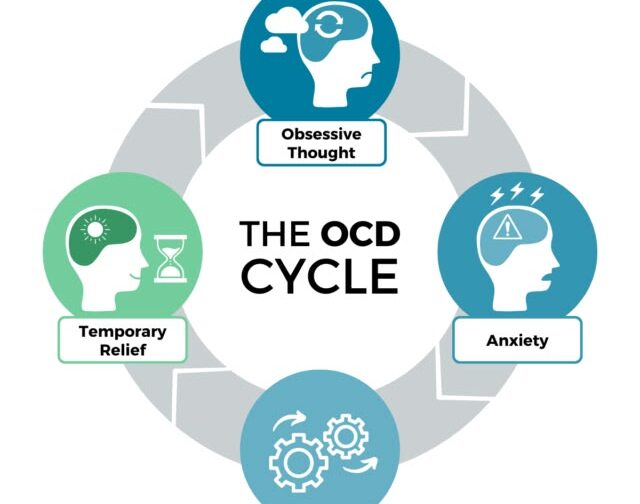
Obsessive-compulsive disorder involves obsessions, compulsions or both. Obsessions are unwanted and recurring thoughts, images or urges that cause anxiety or distress. In response, a person may perform repetitive actions or mental rituals to reduce discomfort.
For example, someone may repeatedly wash their hands because of contamination fears. Similarly, another person may check locks, switches or appliances several times because they fear something bad might happen. Although these actions may provide temporary relief, anxiety can return and lead to another cycle of repetitive behaviour.
Not everyone with OCD experiences visible compulsions. Some individuals struggle mainly with intrusive thoughts, mental checking, repeated reassurance-seeking or silent rituals. Consequently, OCD can sometimes remain unnoticed by family members and colleagues.
Common Symptoms That May Require OCD Treatment
OCD symptoms can differ from person to person. Nevertheless, many individuals experience recurring thoughts, repeated actions or difficulty resisting certain mental rituals.
Obsessions may involve fear of germs, contamination, illness, accidental harm, making mistakes or losing control. Some people experience unwanted sexual, religious or aggressive thoughts that cause distress. Having an unwanted thought does not mean that a person wants to act on it or agrees with its content.
Compulsions may include repeated handwashing, cleaning, checking, counting, arranging objects or seeking reassurance. In addition, some individuals repeat words silently, mentally review past events or follow specific routines to reduce anxiety.
Other signs may include spending excessive time on rituals, avoiding situations that trigger distress, struggling to concentrate and experiencing difficulty completing daily activities.
OCD Treatment Indore Clinic and Psychiatric Assessment
An appropriate psychiatric assessment forms an important part of OCD treatment. During an initial consultation, a psychiatrist may discuss the person’s thoughts, repetitive behaviours, emotional responses and daily experiences.
The assessment may explore when symptoms began, how frequently they occur and how much time they consume. Furthermore, the psychiatrist may ask about sleep, work, education, relationships, medical history and previous mental health treatment.
A detailed evaluation also helps identify other conditions that may occur alongside OCD, such as anxiety or depression. This matters because overlapping symptoms can influence treatment planning and follow-up.
Depending on the person’s needs, the professional may use structured assessment tools to understand symptom severity. The psychiatrist can then explain the findings and discuss suitable treatment options.
Cognitive Behavioural Therapy for OCD
Cognitive behavioural therapy is an evidence-based psychological treatment for obsessive-compulsive disorder. It helps individuals understand how thoughts, emotions and behaviours interact. In addition, it teaches practical ways to respond differently to distressing thoughts and situations.
For people with OCD, CBT often includes exposure and response prevention. This approach helps individuals gradually face situations or thoughts that trigger anxiety while learning to resist the compulsive response.
For example, someone who repeatedly checks a door lock may work with a trained therapist to reduce repeated checking in a planned and gradual manner. Similarly, a person experiencing contamination fears may practise responding to everyday situations without immediately performing a ritual.
The therapist develops an individual treatment plan according to the person’s symptoms, comfort and progress. Therefore, patients should not attempt intense exposure exercises without appropriate professional guidance.
Exposure and Response Prevention Therapy for OCD
Exposure and response prevention, commonly called ERP, is a specialised form of behavioural therapy used to treat OCD. It focuses on gradually facing anxiety-provoking triggers while reducing the usual compulsive response.
During ERP, a trained therapist helps the individual identify specific triggers and arrange them according to the level of distress they cause. The person then works through manageable exercises instead of avoiding every uncomfortable situation.
For instance, someone who fears contamination may gradually practise touching ordinary objects without immediately washing their hands. Likewise, a person who repeatedly seeks reassurance may learn to tolerate uncertainty without asking the same question repeatedly.
The purpose is not to force someone into frightening situations. Instead, ERP uses structured, gradual exercises that support learning and help individuals respond differently to anxiety.
Medication and Psychiatric Care for OCD
Medication may form part of OCD treatment when a psychiatrist considers it clinically appropriate. Selective serotonin reuptake inhibitors (SSRIs) are among the commonly recommended medication options for OCD. However, the choice of medicine depends on the individual’s symptoms, medical history, previous treatment and possible side effects.
Medication does not produce immediate results in every case. Some people need several weeks or longer before they notice meaningful improvement. Therefore, regular follow-up helps the psychiatrist monitor progress and review the treatment plan.
Patients should take medication only under medical supervision. They should not change the dose, stop treatment suddenly or use another person’s prescription. Instead, they should discuss any concerns or side effects with their treating psychiatrist.
Choosing an OCD Treatment Clinic in Indore
Choosing the right professional is an important part of managing obsessive-compulsive disorder. Individuals should check the qualifications, registration and relevant experience of the psychiatrist or mental health professional they plan to consult.
A psychiatrist can assess OCD, consider associated mental health conditions and prescribe medication when appropriate. Similarly, individuals seeking CBT or ERP should confirm that the therapist has suitable training and experience in treating OCD.
Patients should also understand the available services, consultation arrangements, treatment fees and follow-up process. Furthermore, confidentiality and clear communication can help individuals feel more comfortable discussing sensitive thoughts and behaviours.
OCD treatment often requires consistency and patience. Therefore, choosing a professional who explains treatment options and monitors progress can support better continuity of care.
Consult Dr. Rajesh Rathi for Psychiatric Guidance
Dr. Rajesh Rathi holds an MBBS and MD in Psychiatry. His supplied professional profile describes him as a Consultant Psychiatrist, De-Addiction Specialist and Sexologist in Nagpur.
Psychiatric assessment can help individuals understand persistent obsessive thoughts, repetitive behaviours and related emotional difficulties. A psychiatrist can evaluate symptoms, consider associated conditions and discuss suitable treatment options according to the person’s clinical needs.
For more information about Dr. Rajesh Rathi’s qualifications and professional background, visit the Dr. Rajesh Rathi profile.
You can also review the psychiatrist in Nagpur page and the appointment page.
Please confirm directly whether Dr. Rathi offers consultations for patients in Indore. The supplied website references his Nagpur-based practice, so do not advertise an Indore clinic or local appointment availability without verification.
FAQs
1. What is the best treatment for OCD?
CBT with ERP is a commonly recommended treatment. A psychiatrist may also prescribe medication when needed.
2. Can OCD be treated without medication?
Yes. Some individuals benefit from CBT and ERP without medication, depending on their symptoms.
3. How long does OCD treatment take?
Treatment duration varies. Many individuals need consistent therapy and regular follow-up over several months.
4. What are the common symptoms of OCD?
Common symptoms include intrusive thoughts, repeated checking, excessive washing, counting and mental rituals.
5. Can children and adults develop OCD?
Yes. OCD can affect children, teenagers and adults. Early assessment can help identify suitable treatment.
6. Can OCD symptoms return after treatment?
Yes. Symptoms may sometimes return, but continued support and relapse-prevention strategies can help manage them.