
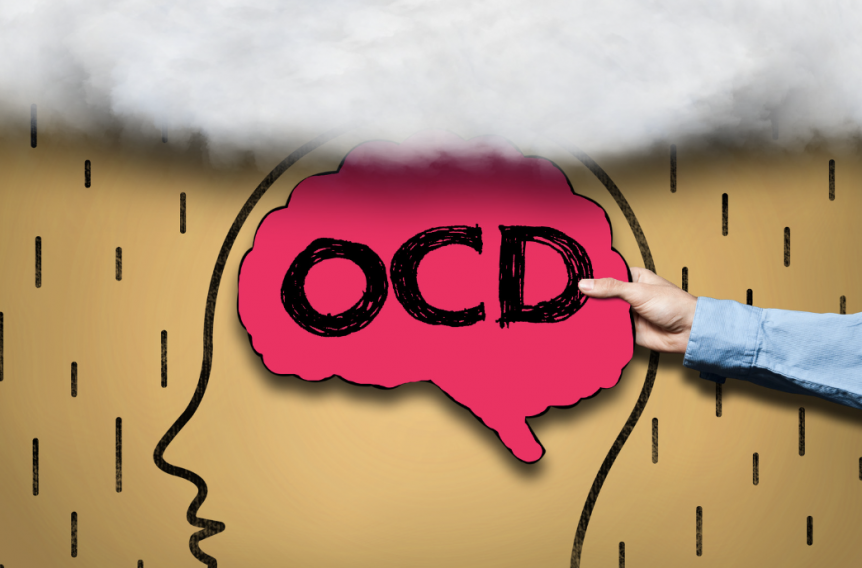
Bhopal OCD Treatment – Dr. Rajesh Rathi
Are you searching for Bhopal OCD Treatment because unwanted thoughts, repetitive actions, or persistent doubts interfere with your daily life? Obsessive-compulsive disorder (OCD) is a mental health condition involving distressing obsessions, compulsions, or both. Therefore, professional psychiatric assessment can help identify symptoms and recommend appropriate treatment.
Furthermore, OCD can affect emotional well-being, relationships, concentration, and everyday responsibilities. Consequently, individuals may spend considerable time checking, cleaning, seeking reassurance, or performing mental rituals.
However, OCD is treatable. Evidence-based approaches include cognitive behavioural therapy (CBT), exposure and response prevention (ERP), and appropriate medication.
Dr. Rajesh Rathi, MD (Psychiatry), MBBS, is a consultant psychiatrist, de-addiction specialist, and sexologist associated with Apex Clinic in Nagpur. Additionally, his professional background includes psychiatric care and psychological counselling.
Understanding Obsessive-Compulsive Disorder
Obsessive-compulsive disorder involves recurring unwanted thoughts, images, or urges that create distress. Additionally, individuals may perform repetitive actions or mental rituals to reduce anxiety.
Firstly, obsessions may involve fears about contamination, safety, mistakes, or causing harm. Furthermore, some individuals experience unwanted religious, sexual, or morally distressing thoughts.
However, experiencing these thoughts does not mean someone wants to act on them. Instead, people with OCD often find their intrusive thoughts deeply upsetting.
Compulsions are repetitive behaviours or mental actions performed in response to obsessions. For example, individuals may repeatedly wash their hands, check locks, or seek reassurance.
Similarly, mental compulsions may involve counting, reviewing memories, or silently repeating particular phrases.
Although compulsions may temporarily reduce anxiety, the relief often fades. Consequently, the individual may feel compelled to repeat the behaviour.
Moreover, OCD is not simply a preference for cleanliness, perfection, or organisation.
Common Symptoms That May Require Bhopal OCD Treatment
Individuals considering Bhopal OCD Treatment may experience different types of obsessive thoughts and compulsive behaviours.
Firstly, contamination-related OCD may involve excessive fear of germs, illness, or harmful substances. Consequently, individuals may wash repeatedly or avoid everyday objects.
Additionally, checking-related OCD may involve persistent doubts about doors, appliances, documents, or personal safety.
Furthermore, some people experience an overwhelming need for symmetry or exactness. Therefore, they may repeatedly arrange objects until everything feels right.
Similarly, intrusive thoughts about accidentally harming someone may lead to repeated checking or reassurance seeking.
Moreover, some individuals experience distressing thoughts involving religion, morality, relationships, or sexuality.
However, not every person with OCD performs visible rituals. Instead, mental compulsions may occur privately.
Causes and Risk Factors Associated With OCD
OCD develops through a combination of biological, genetic, psychological, and environmental influences. Therefore, researchers do not identify one universal cause.
Firstly, family history may contribute to vulnerability. Additionally, certain brain circuits involved in behavioural control and threat processing may play a role.
Furthermore, stressful experiences can influence symptom severity. However, stress alone does not explain every case of OCD.
Similarly, symptoms may begin during childhood, adolescence, or adulthood.
Moreover, OCD can occur alongside anxiety disorders, depression, or tic disorders. Consequently, comprehensive psychiatric assessment may identify additional concerns.
Some individuals also experience worsening symptoms during major life changes. Therefore, clinicians consider personal circumstances during evaluation.
However, OCD does not develop because someone lacks discipline or willpower.
Additionally, intrusive thoughts are not reliable indicators of a person’s character or intentions.
Bhopal OCD Treatment – Psychiatric Assessment and Diagnosis
Professional assessment plays an important role in Bhopal OCD Treatment. Therefore, individuals experiencing persistent obsessions or compulsions may benefit from consulting a qualified psychiatrist.
Firstly, the clinician discusses unwanted thoughts, repetitive behaviours, and emotional distress. Additionally, the assessment explores how frequently symptoms occur.
Furthermore, the psychiatrist may ask how much time compulsions consume each day. Consequently, this information helps determine their impact on daily functioning.
Similarly, clinicians may review medical history, medication use, and previous psychiatric concerns.
Moreover, assessment may explore depression, anxiety, tic disorders, and other associated conditions.
Standardised instruments, including the Yale-Brown Obsessive Compulsive Scale, may help evaluate symptom severity. However, questionnaires do not replace a comprehensive clinical interview.
Additionally, clinicians assess whether repetitive behaviours arise from OCD or another condition.
Therefore, an accurate diagnosis is important before selecting treatment.
Effective Treatment Options for Obsessive-Compulsive Disorder
OCD treatment generally involves evidence-based psychotherapy, medication, or both. Therefore, clinicians consider symptom severity, previous treatment responses, and individual preferences.
Firstly, CBT with exposure and response prevention is a recommended psychological treatment. Additionally, it helps individuals gradually change their responses to obsessive fears.
Furthermore, selective serotonin reuptake inhibitors (SSRIs) are commonly used medications for OCD.
For individuals with mild symptoms, structured CBT with ERP may be appropriate. Similarly, medication may be considered when clinically indicated.
However, severe OCD often requires a combination of psychological therapy and medication.
Moreover, treatment plans should consider associated depression, anxiety, or other psychiatric conditions.
Consequently, some individuals need closer monitoring or specialist referrals.
Although treatment can significantly reduce symptoms, improvement varies between patients.
Cognitive Behavioural Therapy and ERP for OCD
Cognitive behavioural therapy helps individuals recognise patterns that maintain obsessive-compulsive symptoms. In particular, exposure and response prevention addresses the relationship between intrusive fears and compulsive responses.
Firstly, ERP involves gradually approaching situations that trigger obsessive anxiety. Additionally, patients practise resisting the rituals they usually perform to obtain relief.
For example, someone with contamination-related OCD may gradually practise touching ordinary objects without immediately washing.
However, qualified therapists should plan these exercises according to individual needs and safety.
Furthermore, ERP usually begins with manageable situations before progressing toward more challenging triggers.
Consequently, individuals can develop greater confidence in tolerating uncertainty.
Similarly, therapy may address mental rituals, repeated reassurance seeking, and avoidance behaviours.
How OCD Affects Relationships, Work and Emotional Health
OCD can influence several aspects of everyday functioning. Therefore, treatment should address both symptoms and their practical consequences.
Firstly, repeated checking or washing may consume considerable time. Consequently, individuals may struggle to complete routine responsibilities.
Furthermore, intrusive thoughts can interfere with concentration. Additionally, persistent anxiety may affect academic or professional performance.
Similarly, some individuals avoid social situations because they fear triggering obsessions.
Moreover, family members may become involved in repeated reassurance or checking rituals.
Although reassurance may temporarily reduce anxiety, excessive participation can maintain compulsive patterns.
Therefore, professional guidance may help families respond supportively without reinforcing OCD.
Additionally, individuals may experience embarrassment or frustration about their symptoms.
Why Consider Dr. Rajesh Rathi for OCD-Related Concerns?
Why Consider Dr. Rajesh Rathi for OCD-Related Concerns?
Individuals researching Bhopal OCD Treatment may also explore qualified psychiatrists with experience in obsessive-compulsive disorder and related psychiatric conditions.
Dr. Rajesh Rathi holds an MD in Psychiatry and an MBBS qualification. Furthermore, he works as a consultant psychiatrist, de-addiction specialist, and sexologist.
During his professional experience, he gained exposure to psychiatric assessment and counselling for interpersonal, family, and emotional difficulties.
Moreover, Apex Clinic includes obsessive-compulsive disorder among the mental health concerns addressed through its psychiatric services.
Therefore, individuals experiencing persistent intrusive thoughts or repetitive behaviours may enquire about psychiatric consultation.
However, patients should separately confirm whether structured ERP therapy is available through the clinic.
Importantly, Dr. Rathi’s physical practice is located in Nagpur rather than Bhopal.
Bhopal OCD Treatment – Recovery and Long-Term Management
Recovery is an important consideration in Bhopal OCD Treatment. Therefore, ongoing follow-up can help individuals maintain improvement and address returning symptoms.
Firstly, clinicians may assess changes in obsessive thoughts, compulsive behaviours, and everyday functioning.
Additionally, patients receiving ERP may continue practising therapeutic exercises between sessions.
Furthermore, medication reviews help monitor effectiveness and possible side effects.
Consequently, treatment adjustments may become necessary when progress remains limited.
Similarly, some individuals experience gradual improvement over several months.
Moreover, stressful periods may temporarily intensify obsessive-compulsive symptoms.
Therefore, relapse-prevention planning can help patients recognise warning signs and apply previously learned strategies.
However, occasional intrusive thoughts do not automatically indicate treatment failure.
Frequently Asked Questions About Bhopal OCD Treatment
A condition involving intrusive thoughts and repetitive compulsive behaviors.
Through clinical evaluation, psychological assessment, and medical history review.
CBT, ERP therapy, medication, and personalized counseling.
Yes, most people improve significantly with proper treatment.
Only if necessary—some cases respond well to therapy alone
Book Appointment Today with Dr. Rajesh Rathi – Apex Clinic Bhopal
Are you experiencing repetitive checking, contamination fears, intrusive thoughts, or compulsive behaviours that interfere with everyday life?
Professional psychiatric assessment can help determine whether these symptoms indicate OCD or another mental health condition.
Dr. Rajesh Rathi provides psychiatric services through his Nagpur-based practice. Therefore, individuals from Bhopal should confirm available consultation arrangements before booking.
Doctor: Dr. Rajesh Rathi
Qualifications: MD (Psychiatry), MBBS
Professional Roles: Consultant Psychiatrist, De-Addiction Specialist and Sexologist
Clinic: Apex Clinic
Location: Dhantoli, Nagpur, Maharashtra