
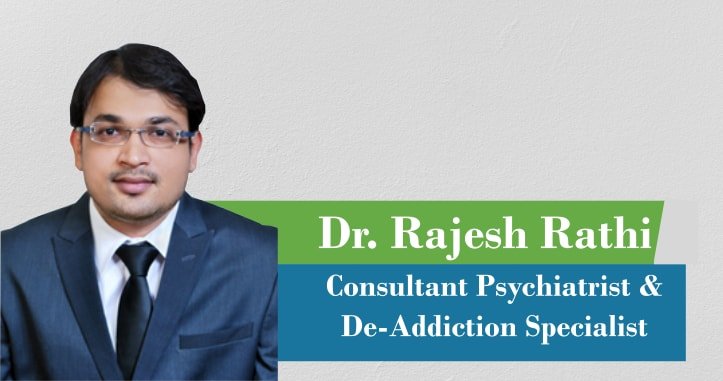
Meet Dr. Rajesh Rathi – Trusted Psychiatrist in Nagpur
If you are searching for a trusted Nagpur psychiatrist, Dr. Rajesh Rathi at Apex Clinic provides professional psychiatric consultation for a wide range of emotional, behavioural, and psychological concerns. Furthermore, his clinical experience includes psychiatric care, psychotherapy, de-addiction, child psychiatry, and counselling for personal, family, relationship, academic, and workplace concerns.
Mental-health symptoms can affect anyone, regardless of age or background. Therefore, persistent anxiety, depression, mood changes, sleep problems, emotional distress, behavioural changes, or addiction-related concerns should not be ignored.
At Apex Clinic, Nagpur psychiatrist Dr. Rajesh Rathi focuses on understanding the individual’s symptoms and circumstances before recommending an appropriate treatment approach. Consequently, patients can discuss their concerns in a professional setting and explore suitable options for assessment, therapy, medication, and follow-up care.
Meet Dr. Rajesh Rathi – Nagpur Psychiatrist
Dr. Rajesh Rathi is an MD Psychiatry and MBBS-qualified psychiatrist practising at Apex Clinic in Nagpur. According to the clinic’s published profile, he completed his MD in Psychiatry from Datta Meghe Institute of Medical Sciences and his MBBS from NKP Salve Institute of Medical Sciences and Research Centre & Lata Mangeshkar Hospital, Nagpur.
Furthermore, Dr. Rathi worked as a Senior Resident at the Institute of Human Behaviour and Allied Sciences (IHBAS), Delhi, from 2012 to 2015. His published profile also notes experience in de-addiction, child psychiatry, forensic psychiatry, psychotherapy, marital concerns, family problems, career-related stress, and relationship counselling.
In addition, the clinic lists a Gold Medal for his MD Psychiatry in 2012 and postgraduate quiz recognition at Vidharbha and West Zone conferences.
Therefore, people looking for a Nagpur psychiatrist can consider Dr. Rathi for professional evaluation of emotional, behavioural, and psychological concerns.
When Should You Consult a Nagpur Psychiatrist?
Many people wait until symptoms become severe before seeking psychiatric help. However, early professional assessment may be appropriate when symptoms persist or interfere with everyday functioning.
You may consider psychiatric consultation if you experience:
- Persistent sadness or low mood
- Excessive worry or constant overthinking
- Panic attacks or intense fear
- Significant mood changes
- Irritability or frequent anger
- Sleep difficulties
- Poor concentration or loss of interest
- Emotional breakdowns
- Social withdrawal
- Work-related emotional stress
- Academic pressure
- Relationship difficulties
- Behavioural changes
- Alcohol or substance-use concerns
- Repeated addictive behaviours
- Distressing thoughts or unusual experiences
Furthermore, one symptom alone does not necessarily indicate a psychiatric disorder. Instead, the duration, severity, frequency, and impact of symptoms should be considered.
Therefore, a consultation with a Nagpur psychiatrist can help determine whether professional treatment or further evaluation is appropriate.
Mental Health Conditions Managed by Dr. Rajesh Rathi
Psychiatric conditions can affect mood, thinking, behaviour, relationships, sleep, and everyday functioning. Consequently, professional assessment is important when symptoms become persistent or disruptive.
At Apex Clinic, the listed areas of psychiatric care include:
Anxiety Disorders
Anxiety can involve excessive worry, fear, restlessness, panic symptoms, physical tension, and difficulty concentrating. Depending on the assessment, treatment may include psychotherapy, counselling, medication, or a combination of approaches.
Depression
Depression may involve persistent low mood, reduced interest, fatigue, sleep changes, concentration difficulties, and feelings of hopelessness. Therefore, professional assessment can help distinguish depression from temporary sadness or situational stress.
Bipolar Disorder
Bipolar disorder involves significant changes in mood and energy that can affect daily functioning. Furthermore, appropriate psychiatric assessment is important because treatment needs can differ between individuals and between phases of the condition.
Obsessive-Compulsive Disorder
OCD may involve recurring intrusive thoughts and repetitive behaviours or mental rituals. Consequently, individuals may spend substantial time managing these symptoms. Psychiatric evaluation can help determine suitable treatment options.
Schizophrenia and Psychotic Disorders
Changes in perception, thinking, behaviour, or connection with reality require professional assessment. Therefore, individuals experiencing hallucinations, delusions, severe behavioural changes, or significant confusion should seek appropriate medical care.
Sleep and Mental-Health Concerns
Poor sleep can occur alongside anxiety, depression, stress, substance use, and other health concerns. Additionally, persistent sleep problems can affect concentration, mood, and daily functioning.
Psychiatric Consultation in Nagpur
A psychiatric consultation provides an opportunity to discuss symptoms, concerns, medical history, lifestyle factors, previous treatment, and current difficulties.
During an assessment, the psychiatrist may ask about:
- Present symptoms
- Duration and severity
- Sleep and appetite
- Mood and emotional changes
- Work or academic functioning
- Family and relationship concerns
- Previous psychiatric treatment
- Current medications
- Alcohol or substance use
- Major life events
- Behavioural changes
Furthermore, the psychiatrist may consider whether symptoms could be related to a psychiatric condition, another medical issue, medication, substance use, prolonged stress, or a combination of factors.
As a result, a detailed consultation can provide greater clarity before a treatment plan is recommended.
Personalized Treatment Plans by Dr. Rajesh Rathi
Every person’s mental-health needs are different. Therefore, psychiatric treatment should be based on individual assessment rather than a standard approach.
Depending on the clinical situation, treatment may involve:
- Psychiatric consultation
- Psychotherapy
- Counselling
- Cognitive Behavioral Therapy
- Behavioural strategies
- Stress-management guidance
- Family counselling
- Relationship counselling
- Lifestyle recommendations
- Medication when clinically appropriate
- Regular psychiatric follow-up
Moreover, treatment plans can change as symptoms and circumstances change. Consequently, follow-up appointments may be used to review progress and determine whether adjustments are appropriate.
Therapy & Counseling Services at Apex Clinic
Psychotherapy can help individuals understand thoughts, emotions, behaviours, relationships, and coping patterns.
For example, Cognitive Behavioral Therapy can help individuals examine connections between thoughts, emotions, and behaviours. Similarly, counselling may provide structured support for relationship difficulties, family concerns, workplace stress, academic pressure, and emotional challenges.
The clinic’s published profile states that Dr. Rathi has experience with psychotherapy and counselling for interpersonal problems, marital conflicts, family problems, job or study-related stress, career guidance, relationship problems, and parental counselling.
Therefore, people searching for a Nagpur psychiatrist may discuss both psychiatric and psychological concerns during consultation.
Psychiatrist for Anxiety and Stress in Nagpur
Modern lifestyles can involve significant academic, professional, financial, and relationship pressures. Consequently, prolonged stress may affect sleep, concentration, motivation, mood, and relationships.
Anxiety may also involve persistent worry, panic symptoms, fear, restlessness, and avoidance. However, these symptoms can occur for different reasons.
Therefore, professional assessment is useful before deciding on a specific treatment. Depending on the clinical evaluation, treatment may involve psychotherapy, counselling, medication, lifestyle support, or combined care.
Child and Adolescent Psychiatric Support - Nagpur psychiatrist
Children and adolescents can experience emotional and behavioural difficulties for different reasons. For instance, academic pressure, family changes, developmental concerns, social difficulties, anxiety, behavioural problems, and other factors may influence mental well-being.
According to Dr. Rathi’s published profile, his experience at IHBAS included work in child psychiatry and parental counselling for child-related concerns.
Consequently, parents can discuss persistent emotional or behavioural changes with a qualified psychiatrist to determine whether further assessment is appropriate.
De-Addiction and Addiction Support in - Nagpur psychiatrist
Addiction can affect the individual as well as family relationships, work, finances, and overall well-being. Moreover, alcohol or substance use can sometimes occur alongside anxiety, depression, stress, or other psychiatric concerns.
Therefore, addiction should be approached as a health concern rather than simply a lack of willpower.
Psychiatric assessment may consider the pattern of substance use, mental-health symptoms, physical health, previous treatment, family circumstances, and individual needs.
Depending on the assessment, treatment may include psychiatric care, counselling, behavioural interventions, family support, and other appropriate services.
Why Choose Dr. Rajesh Rathi as Your Nagpur Psychiatrist?
Choosing a psychiatrist is a personal decision. Therefore, patients may consider qualifications, clinical experience, communication, treatment approach, accessibility, and comfort when selecting a mental-health professional.
Dr. Rajesh Rathi’s published credentials include:
- MBBS
- MD Psychiatry
- Senior Resident experience at IHBAS, Delhi
- Experience in de-addiction
- Experience in child psychiatry
- Psychotherapy and counselling experience
- Experience with family and relationship concerns
- Experience with job and study-related stress
These credentials and areas of experience are published by Apex Clinic.
Furthermore, Apex Clinic’s appointment page currently lists the clinic at 2nd Floor, Salasar Square, Congress Nagar T-Point, opposite Metro Pillar No. 66, Dhantoli, Nagpur – 440012.
Frequently Asked Questions (FAQ) | Nagpur psychiatrist
1. When should I consult Dr. Rajesh Rathi?
If emotional, behavioral, or psychological symptoms affect daily life, relationships, or work performance, it’s time to seek help.
2. Will I need medication immediately?
Not always. Treatment may include therapy, counseling, lifestyle changes, or medication depending on the diagnosis.
3. How long does treatment take?
Treatment duration varies because every patient is different. Some improve within weeks, while others require long-term support.
4. Is my consultation confidential?
Yes. All patient information at Apex Clinic remains strictly confidential.
5. Does Dr. Rajesh Rathi offer online consultations?
Yes, both online and in-clinic appointments are available.
If anxiety, depression, stress, mood changes, addiction, sleep problems, or behavioural concerns are affecting your daily life, professional support may be appropriate.
Therefore, if you are looking for a Nagpur psychiatrist, you can contact Apex Clinic to enquire about a consultation with Dr. Rajesh Rathi.
Furthermore, seeking psychiatric help is a professional healthcare decision and does not mean that you have to manage your concerns alone.
Apex Clinic – Dr. Rajesh Rathi
2nd Floor, Salasar Square, Congress Nagar T-Point, opposite Metro Pillar No. 66, Dhantoli, Nagpur – 440012.
Book an Appointment with Dr. Rajesh Rathi