
Sleep Disorder Doctor Gwalior Clinic – Dr. Rajesh Rathi | Apex Clinic
Sleep is an essential pillar of health, influencing physical wellbeing, emotional balance, and mental clarity. Unfortunately, many individuals in Gwalior struggle with sleep disorders, including insomnia, sleep apnea, restless leg syndrome, and narcolepsy. At Apex Clinic, Dr. Rajesh Rathi provides expert care as a sleep disorder doctor in Gwalior, offering comprehensive diagnosis, personalized treatment plans, and ongoing support for long-term sleep improvement.
By combining medical expertise with behavioral therapy and lifestyle guidance, Dr. Rathi ensures patients not only achieve restful sleep but also improve focus, productivity, and overall quality of life. Each treatment plan is carefully tailored, taking into account physical health, mental wellbeing, and personal lifestyle factors.
Understanding Sleep Disorders
Sleep disorders can range from difficulty falling asleep to serious conditions like sleep apnea. Chronic sleep disruption affects mood, concentration, and immunity, leading to fatigue and reduced daily performance.
As a leading sleep disorder doctor in Gwalior, Dr. Rajesh Rathi evaluates each patient thoroughly. He examines sleep patterns, medical history, stress levels, and lifestyle habits to determine the root cause. This precise evaluation allows him to provide targeted treatments that deliver lasting improvement and restore natural sleep cycles.
Common Sleep Disorders Treated at Apex Clinic
At Apex Clinic, patients receive treatment for various sleep disorders:
Insomnia involves difficulty falling or staying asleep, leading to daytime tiredness, irritability, and poor concentration.
Sleep apnea is a serious condition characterized by interrupted breathing during sleep, resulting in loud snoring, daytime fatigue, and potential cardiovascular complications.
Restless leg syndrome (RLS) causes discomfort in the legs, making it difficult to relax and sleep.
Narcolepsy triggers sudden sleep attacks and excessive daytime sleepiness, significantly impacting daily life.
By addressing the root causes of these conditions, Dr. Rathi helps patients regain energy, emotional stability, and cognitive clarity.
Insomnia Treatment and Management
Insomnia can have a profound impact on mood, memory, and productivity. Dr. Rajesh Rathi adopts a comprehensive approach, combining cognitive behavioral therapy, relaxation techniques, and sleep hygiene education.
Patients are guided to follow a consistent sleep routine, reduce stimulants, manage stress effectively, and optimize their sleeping environment. Over time, these interventions help improve sleep onset, reduce night awakenings, and restore overall energy levels.
Sleep Apnea Diagnosis and Therapy
Sleep apnea is more than a sleep disruption—it can lead to serious health risks if untreated. Symptoms include loud snoring, frequent awakenings, and breathing pauses during sleep. Dr. Rathi conducts thorough evaluations, including sleep studies, to diagnose the condition accurately.
Treatment may involve CPAP therapy, positional therapy, and lifestyle modifications. Patients experience improved breathing during sleep, reduced daytime fatigue, and better long-term cardiovascular health.
Restless Leg Syndrome and Narcolepsy Care
Behavioral and Lifestyle Interventions
Many sleep disorders are worsened by stress, irregular routines, and poor lifestyle choices. Apex Clinic emphasizes behavioral therapies, including cognitive behavioral therapy for insomnia (CBT-I), guided relaxation, and stress management techniques.
Patients also receive practical advice on sleep hygiene, such as maintaining a regular sleep schedule, reducing screen time before bed, optimizing bedroom environment, and incorporating exercise and diet changes. These measures complement medical treatment and support long-term sleep improvement.
Why Choose Dr. Rajesh Rathi at Apex Clinic
Book a Consultation Today
If you are experiencing persistent sleep issues, early intervention is critical. Scheduling an appointment with Dr. Rajesh Rathi, sleep disorder doctor in Gwalior at Apex Clinic, allows for accurate diagnosis, customized therapy, and expert guidance.
Through early consultation, patients can prevent complications, restore healthy sleep patterns, and improve both mental and physical health. With Dr. Rathi’s personalized approach, restful sleep and long-term wellness are within reach.
Short FAQs – Sleep Disorder Doctor Gwalior Clinic
Q1. When should I consult a sleep disorder doctor?
Persistent sleep issues lasting more than two weeks or affecting daily life should prompt a consultation.
Q2. Can stress or anxiety cause sleep problems?
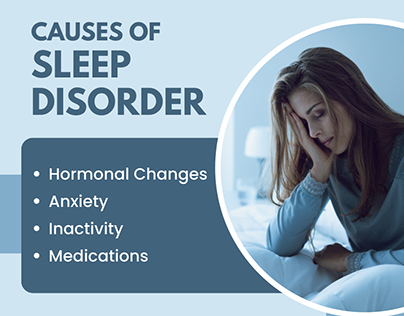
Yes, both stress and anxiety commonly contribute to sleep disorders and can be effectively managed with therapy.
Q3. Are medications always required for sleep disorders?
Not always. Behavioral therapy, lifestyle changes, and sleep hygiene often improve symptoms, with medications used only when necessary.
Q4. How long does sleep disorder treatment take?
Improvement varies depending on the condition and individual, but patients often notice results within a few weeks of following the treatment plan.
Q5. Can untreated sleep disorders affect mental health?
Yes, chronic sleep problems can contribute to depression, anxiety, and cognitive impairments, emphasizing the importance of early treatment.