
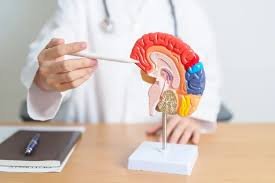
Neuro psychiatrist in Indore Expert Mental & Brain Health Care by Dr. Rajesh Rathi
Understanding Neuro Psychiatry – Expert Insights by Dr. Rajesh Rathi
Conditions Treated by Dr. Rajesh Rathi – Neuro psychiatrist in Indore
Dr. Rajesh Rathi offers treatment for a wide range of neuro‑psychiatric and psychological conditions, including:
- Depression and anxiety disorders
- Bipolar disorder and mood disorders
- Obsessive‑Compulsive Disorder (OCD)
- Stress-related and trauma‑induced conditions
- Sleep disorders and insomnia
- Cognitive disturbances, attention or concentration issues
- Behavioural and emotional disorders in adolescents and adults
- Addiction and de‑addiction support
- Emotional disorders following neurological issues or trauma
- Psychosomatic and stress‑related ailments
Each condition is evaluated comprehensively — looking at both neurological and psychological aspects — so treatment plans are tailored accordingly.
Dr. Rajesh Rathi’s Neuro Psychiatric Treatment Approach
Thorough Assessment — On the first visit, a detailed history, symptoms review, mental state analysis, and possibly neurological evaluation are done to understand root causes.
Personalised Treatment Plan — Based on findings, a treatment strategy is created, which may include therapy, lifestyle advice, counselling, medication (only when needed), or a combination of these.
Therapy & Counselling Options — Psychological therapies (talk therapy, behavioural therapy, stress & emotional regulation) help address mental health.
Medication Management (if required) — When neuro‑chemical imbalance or clinical symptoms exist, medicines are used cautiously under supervision.
Follow‑ups & Monitoring — Regular check‑ins help track progress, adjust treatments, and ensure long-term stability.
This balanced and flexible approach aims not just to suppress symptoms, but to restore overall mental and neurological well‑being.
Why Early Neuro Psychiatric Treatment Matters
Many individuals delay seeking help due to stigma, confusion, or fear. However, early treatment can completely change the outcome. When a patient consults a specialist sooner, they experience:
Better control over mood and emotions
- Reduced anxiety, panic, and stress
- Improved cognitive clarity and memory
- Healthier sleep cycles
- Balanced relationships and improved social interactions
- Stronger resilience against emotional triggers
- Long-term mental stability
- A more satisfying, confident, and peaceful life
Because neuro-psychiatric symptoms increase gradually, timely evaluation prevents worsening conditions.
Why Choose Dr. Rajesh Rathi – Leading Neuro psychiatrist in Indore
Patients prefer Dr. Rathi due to several reasons, including:
- Highly experienced in neuro-psychiatric conditions
- Personalised consultations
- Confidential, safe, and non-judgmental treatment
- A structured therapy-based approach
- Clear communication and patient-friendly guidance
- Focus on long-term emotional and mental stability
Because mental health requires trust, compassion, and expertise, choosing the right specialist ensures a stronger and healthier recovery journey.
Benefits of Timely Neuro-Psychiatric Treatment – Guided by Dr. Rajesh Rathi
By seeking timely care, individuals often experience:
- Improved emotional balance
- Better concentration and memory
- Reduced anxiety and overthinking
- Restored sleep patterns
- Higher confidence and motivation
- Stronger relationships
- Effective stress coping mechanisms
- Overall improvement in daily functioning
When treatment begins early, recovery becomes smoother and more stable.
FAQs
Q1. What does a neuro-psychiatrist treat?
Conditions involving mood, behaviour, memory, sleep, stress, and neurological overlap.
Q2. Is early treatment important?
Yes. Early intervention positively influences long-term recovery.
Q3. Does treatment include counselling?
Yes, therapy and counselling form an important part of the plan.
Q4. Do I need medication?
Only if your condition requires it. Many patients improve with therapy alone.
Q5. Is the consultation confidential?
Yes. Every detail is kept completely private.
- Additionally
- Moreover
- Furthermore
- Also
- In addition
- Not only that
- As well as
- Therefore
- As a result
- Consequently
- Because of this
- Hence
- Thus
- Due to
- However
- On the other hand
- Although
- Even though
- Whereas
- In contrast
- Similarly
- Likewise
- First