
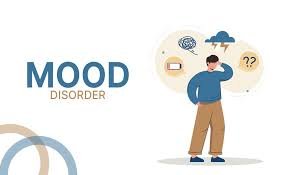
Mood Disorder Specialist in Indore – Expert Care by Dr. Rajesh Rathi
What a Mood Disorder Specialist in Indore Does – Overview by Dr. Rajesh Rathi
Mood disorders cover a broad spectrum of mental health conditions that affect emotional regulation, energy levels, thoughts, and behaviour. Common issues include clinical depression, bipolar disorder, dysthymia, cyclothymia, and mood instability often triggered by stress, trauma, or biological imbalances.
By consulting a mood disorder specialist in Indore, individuals receive a thorough assessment covering psychological, social, and biological aspects of their condition. Dr. Rajesh Rathi begins with a detailed evaluation of mood history, lifestyle factors, sleep patterns, family history, and daily functioning. This holistic approach ensures accurate diagnosis and tailored treatment plans rather than one-size-fits-all solutions.
Moreover, ongoing support is offered — therapy is not a single session but a journey toward long-term stability, emotional resilience, and improved quality of life. A mood disorder specialist helps patients understand the roots of their emotional difficulties, manage triggers, and build coping strategies that support lasting recovery.
Recognising Mood Disorder Symptoms – When to Seek Help Early
Mood disorders can sometimes be hard to distinguish from usual stress or sadness. Yet, several signs signal that professional support is needed:
- Persistent low mood or irritability lasting weeks or months
- Extreme mood swings — alternating between highs (euphoria, over-activity) and lows (sadness, fatigue)
- Loss of interest or pleasure in activities once enjoyed
- Changes in sleep patterns — insomnia, hypersomnia, or disrupted sleep
- Significant changes in appetite or weight
- Difficulty concentrating, making decisions, or remembering things
- Feelings of hopelessness, worthlessness, or guilt
- Frequent anxiety, restlessness, or agitation
- Suicidal thoughts or self-harm tendencies
If any of these symptoms persist over weeks and begin to interfere with daily life — work, relationships, or self-care — consulting a mood disorder specialist in Indore is a wise and necessary step. Early intervention often leads to better recovery and fewer long-term complications.
Why Choose Dr. Rajesh Rathi as Your Mood Disorder Specialist in Indore
Selecting a treating doctor is a deeply personal decision. Here are reasons why many patients trust Dr. Rajesh Rathi for mood disorder treatment:
- Extensive Experience: Years of working with diverse cases — depression, bipolar disorder, chronic mood instability, and comorbid conditions like anxiety or PTSD.
- Comprehensive, Individualized Care: Dr. Rathi assesses biological, psychological, and social factors to create personalized treatment plans, rather than relying solely on medication.
- Empathetic and Respectful Environment: Patients are treated with understanding, kindness, and confidentiality, helping them feel safe and heard.
- Evidence-Based Therapeutic Approach: Combines psychotherapy, behavioural therapy, lifestyle guidance, and medication management (if required) for best outcomes.
- Commitment to Long-Term Stability: Focus is on sustainable emotional health through coping skills, relapse prevention, and ongoing support.
With Dr. Rathi, patients receive not only treatment but also education about mood disorders, preventive measures, and tools for sustained mental well-being.
Treatment Modalities Offered by a Mood Disorder Specialist in Indore
The treatment approach depends on the diagnosis, severity, and individual patient needs. At Dr. Rathi’s clinic, the following therapy modalities are commonly used:
Psychotherapy & Cognitive-Behavioural Therapy (CBT)
CBT helps patients identify distorted thoughts and negative belief patterns that fuel depression or anxiety. Over time, they learn to challenge these thoughts, adopt healthier thinking, and respond differently to stressful triggers.
Mood Stabilization and Medication Management (when necessary)
For conditions like bipolar disorder or severe depression, medication may be essential. As a mood disorder specialist in Indore, Dr. Rathi carefully monitors and adjusts treatment while balancing therapeutic sessions to maximize safety and effectiveness.
Behavioural Therapy & Lifestyle Modification
Therapies focus on regulating sleep, diet, exercise, and stress — all of which influence mood regulation. Behavioural activation helps patients re-engage with daily activities gradually, even when motivation is low.
Interpersonal Psychotherapy and Emotional Regulation Coaching
This helps patients improve relationships, manage social stressors, and enhance support networks. For individuals whose mood issues stem from interpersonal conflicts or social stress, this work plays a vital role.
Relapse Prevention & Long-Term Follow-Up
Mood disorders often have recurrent episodes. The specialist works with patients to identify early warning signs, triggers, and preventive strategies. Regular follow-up ensures emotional stability and reduces chances of relapse.
Benefits and Recovery — What Patients Gain from Expert Mood Disorder Care
Engaging with a mood disorder specialist in Indore under Dr. Rajesh Rathi’s care can bring multiple long-term benefits:
- Restored emotional balance and mood stability
- Enhanced self-awareness and understanding of triggers
- Healthier coping skills for stress, anxiety, and emotional upheaval
- Improved relationships, social functioning, and work performance
- Reduced risk of relapse or chronic mental health complications
- Better quality of life — improved sleep, appetite, motivation, and daily functioning
- Increased resilience and ability to face future challenges more effectively
With professional guidance, many patients report brighter outlooks, renewed energy, and regained hope for a fulfilling life.
Benefits of Consulting a Marriage Counsellor in Indore
Seeking professional guidance from Dr. Rajesh Rathi offers multiple benefits:
- Improved Communication: Couples learn to express themselves clearly and understand each other better.
- Enhanced Emotional Connection: Rebuilding trust and intimacy strengthens the bond between partners.
- Conflict Management: Couples develop strategies to resolve disputes effectively and respectfully.
- Increased Relationship Satisfaction: Improved understanding and support contribute to long-term happiness.
- Stress Reduction: Professional guidance helps alleviate anxiety, frustration, and emotional strain in the relationship.
By following structured counseling sessions, couples can experience meaningful, lasting improvements in their relationship.
FAQs
1. How long does treatment typically take?
It depends on the condition and severity. Some patients show improvement within 8–12 therapy sessions, while others — especially with chronic or recurrent mood disorders — may benefit from long-term follow-up.
2. Is medication always required for mood disorders?
Not always. For mild to moderate depression or stress-related mood issues, psychotherapy, lifestyle changes, and behavioural therapy may suffice. However, for bipolar disorder or severe depression, medication along with therapy often produces better results.
3. Can mood disorders be fully cured?
Many individuals achieve long-term stability and functional recovery. While some mood disorders may recur, with proper therapy, relapse prevention strategies, and coping skills, patients can minimize episodes and lead healthy, balanced lives.
4. Is therapy confidential and safe?
Yes. All sessions with Dr. Rajesh Rathi are strictly confidential and conducted in a respectful, non-judgmental environment. Privacy and patient dignity are top priorities.
5. How soon should someone seek help if they notice mood changes?
As soon as mood changes affect daily functioning — work, relationships, sleep, or self-care — it’s recommended to seek help. Early intervention often leads to faster recovery and fewer complications.
6. Can therapy help if mood issues are triggered by external stress (work, family, finances)?
Absolutely. A mood disorder specialist helps identify stress sources, build coping strategies, and develop resilience. Therapy combined with lifestyle modifications often reduces vulnerability to mood swings.
- Additionally
- Moreover
- Furthermore
- Also
- In addition
- Not only that
- As well as
- Therefore
- As a result
- Consequently
- Because of this
- Hence
- Thus
- Due to
- However
- On the other hand
- Although
- Even though
- Whereas
- In contrast
- Similarly
- Likewise
- First