
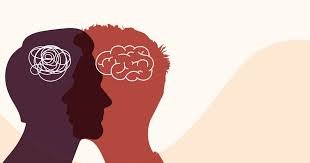
Mood Disorder Specialist Dhamtari Clinic — Compassionate Care by Dr. Rajesh Rathi
Emotional and mental health challenges deserve careful attention, and a mood disorder specialist Dhamtari clinic can make a significant difference in recovery. Dr. Rajesh Rathi, a trusted specialist in mood and mental health disorders, offers comprehensive evaluation and personalized treatment for people experiencing depression, bipolar disorder, mood instability, anxiety-related mood swings, and related conditions. With the right care, patients can rebuild emotional balance, regain stability, and restore quality of life.
Understanding Mood Disorders — What a Mood Disorder Specialist Can Help With
Mood disorders encompass a range of conditions that affect emotional regulation, energy levels, thought patterns, and overall daily functioning. These may include:
- Major depressive disorder — persistent sadness, hopelessness, loss of interest
- Bipolar disorder — alternating periods of mania/hypomania and depression
- Persistent mood instability or cyclothymia
- Co-occurring anxiety, stress-related mood fluctuations, or trauma-based mood changes
A good Dhamtari clinic for mood disorder assesses not only psychological symptoms but also social, lifestyle, and biological factors — allowing for a holistic understanding of the individual’s condition.
When to Consult a Mood Disorder Specialist at an Dhamtari Clinic
You should consider consulting a specialist if you notice signs like:
- Prolonged low mood, persistent irritability, or unexplained sadness
- Sudden mood swings — from elevated energy or irritability to deep lows
- Difficulty in sleeping or changes in sleep patterns
- Loss of interest in daily activities or hobbies
- Difficulty concentrating, making decisions, or feeling mentally foggy
- Noticeable changes in appetite, weight, or energy levels
- Withdrawal from relationships, social isolation, or avoidance
- Heightened anxiety, restlessness, or inner turmoil
If several of these symptoms interfere with daily life, work, or relationships — visiting a mood disorder specialist Dhamtari clinic can be the first step toward healing.
When to Consult a Mood Disorder Specialist at an Dhamtari Clinic
You should consider consulting a specialist if you notice signs like:
- Prolonged low mood, persistent irritability, or unexplained sadness
- Sudden mood swings — from elevated energy or irritability to deep lows
- Difficulty in sleeping or changes in sleep patterns
- Loss of interest in daily activities or hobbies
- Difficulty concentrating, making decisions, or feeling mentally foggy
- Noticeable changes in appetite, weight, or energy levels
- Withdrawal from relationships, social isolation, or avoidance
- Heightened anxiety, restlessness, or inner turmoil
If several of these symptoms interfere with daily life, work, or relationships — visiting a mood disorder specialist Dhamtari clinic can be the first step toward healing.
Why Choose Dr. Rajesh Rathi — Trusted Mood Disorder Specialist in Dhamtari
Personalized and Evidence-Based Treatment
Because every individual experiences mood disorders differently, Dr. Rathi conducts a thorough assessment encompassing medical history, lifestyle, and emotional background. As an experienced specialist, he designs treatment plans tailored to each patient’s unique needs rather than using a one-size-fits-all approach.
Safe, Confidential & Supportive Environment
Dealing with mood disorders can feel overwhelming. At Dr. Rathi’s clinic, patients receive compassionate, non-judgmental care in a safe and private environment. This helps build trust, which is essential for honest communication and effective therapy.
Integrated Care — Therapy, Lifestyle, and Monitoring
Beyond therapy, Dr. Rathi emphasizes a holistic approach: emotional therapy, behavioural support, lifestyle adjustments (sleep, diet, exercise), and ongoing follow-up. For disorders requiring medications, monitoring and adjustments are done carefully. This integrated care enhances long-term stability.
Long-Term Support & Relapse Prevention
Mood disorders often have recurring patterns. As a specialist, Dr. Rathi helps patients build coping strategies, recognize early warning signs, and maintain regular follow-ups — significantly lowering the risk of relapse.
Treatment Approaches at the Mood Disorder Specialist Clinic
At the mood disorder specialist Dhamtari clinic, several evidence-based approaches may be offered depending on diagnosis and individual needs:
- Psychotherapy / Cognitive Behavioural Therapy (CBT) — Helps reframe negative thoughts, manage mood, reduce depression and anxiety.
- Behavioural Therapy & Lifestyle Management — Addresses sleep, daily routine, stress, and promotes healthy habits that support mood regulation.
- Medication Management (when necessary) — For moderate-to-severe mood disorders like bipolar disorder or major depression — medications may be prescribed alongside therapy.
- Interpersonal Therapy & Emotional Regulation — Focuses on relationships, communication, social support, and emotional coping skills.
- Relapse Prevention and Maintenance Counseling — Helps detect early symptoms, manage stressors, and maintain emotional balance over time.
Through this structured and flexible approach, patients receive care that adapts to their condition and progress.
Benefits of Consulting a Mood Disorder Specialist at an Dhamtari Clinic
Working with a qualified specialist like Dr. Rathi brings multiple advantages:
- Improved Emotional Stability and Mood Balance — Reduced frequency and intensity of depressive or manic episodes.
- Better Daily Functioning and Productivity — Enhanced motivation, focus, sleep quality, and energy levels.
- Healthier Relationships and Social Life — Reduced irritability, better communication, and stronger emotional resilience.
- Increased Self-Awareness and Coping Skills — Understanding triggers, learning stress management, and adopting healthier thought patterns.
- Lower Risk of Relapse — Regular monitoring and preventive strategies help maintain long-term mental health.
Overall Enhanced Quality of Life — Balanced emotions, renewed hope, and improved well-being across all aspects of life.
FAQs
1. How many sessions are usually required for mood disorder treatment?
It depends on the severity and individual response. Some patients see significant improvement within 8–12 sessions, while others may benefit from longer-term therapy and follow-up.
2. Is medication always necessary for mood disorders?
Not always. For mild to moderate mood issues, therapy combined with lifestyle changes may suffice. For bipolar disorder or severe depression, medications along with therapy often yield better results.
3. Is treatment confidential and safe?
Yes. Consultations at the clinic are strictly confidential, and care is always provided in a respectful, judgment-free environment.
4. Can mood disorders be completely “cured”?
Many patients achieve long-term stability and a good quality of life. While some conditions may recur under stress, with consistent therapy, coping strategies, and regular follow-up — relapse risk can be minimized.
5. How soon should someone seek help if they experience mood changes?
As soon as persistent emotional symptoms interfere with daily life—sleep, relationships, work, or self-care—a consultation with a mood disorder specialist is advised. Early intervention often leads to better outcomes.
6. Is therapy only for adults?
No. Adolescents and older individuals experiencing mood disturbances can also benefit from professional assessment and treatment tailored to their specific needs.
If you or a loved one is struggling with persistent mood swings, depression, anxiety, or emotional instability, don’t wait. You can book an appointment with Dr. Rajesh Rathi, a leading mood disorder specialist at a trusted Dhamtari clinic, to receive comprehensive, compassionate, and tailored care. Early intervention can restore mental balance, improve quality of life, and foster long-term well-being. Take the first step toward healing today.
- Additionally
- Moreover
- Furthermore
- Also
- In addition
- Not only that
- As well as
- Therefore
- As a result
- Consequently
- Because of this
- Hence
- Thus
- Due to
- However
- On the other hand
- Although
- Even though
- Whereas
- In contrast
- Similarly
- Likewise
- First