
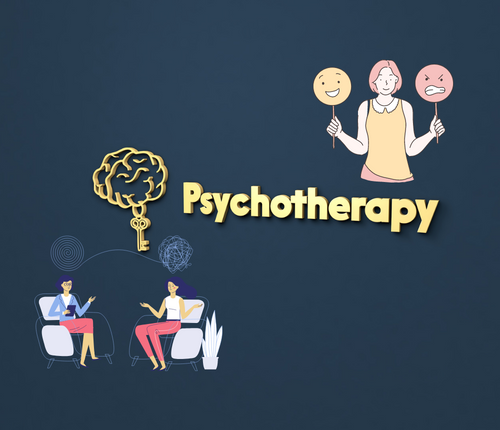
Indore Psychotherapy Doctor: Expert Mental Health Care by Dr. Rajesh Rathi
Understanding Psychotherapy with Dr. Rajesh Rathi
Psychotherapy helps individuals understand their thoughts, feelings, and behavioural patterns. Since emotional challenges can affect daily life, relationships, work, and self-esteem, timely therapy becomes extremely important. Dr. Rajesh Rathi uses evidence-based therapeutic models that empower patients to identify unhealthy patterns and replace them with more balanced coping skills.
Moreover, psychotherapy is not limited to severe issues. Even individuals struggling with mild stress, self-doubt, relationship concerns, or decision-making problems can benefit from therapy. Because sessions are interactive and goal-oriented, patients learn practical tools that support their emotional well-being.
Common Signs That Indicate You May Need Help (with Insights from Dr. Rajesh Rathi)
Although many people delay seeking professional care, early signs often show that therapy might be helpful. These include:
- Persistent sadness or hopelessness
- Difficulty concentrating or making decisions
- Overthinking and constant worry
- Sudden anger or irritability
- Sleep problems, either too much or too little
- Relationship troubles
- Loss of interest in daily activities
- Panic attacks or intense fear
- Behavioural issues in children or adolescents
Since these symptoms can worsen over time, noticing them early allows faster recovery. Additionally, speaking with an experienced therapist can provide clarity, reassurance, and direction.
Why Choose Dr. Rajesh Rathi as Your Indore Psychotherapy Doctor?
Choosing the right professional matters because psychotherapy requires trust, consistency, and scientific expertise. Dr. Rajesh Rathi is recognised for his empathetic communication style, structured approach, and deep understanding of emotional complexities. Because of his experience across various psychological conditions, patients feel comfortable while sharing their concerns.
Furthermore, he uses personalised treatment plans rather than generic methods. This ensures that every session addresses the patient’s unique emotional and behavioural needs. Since therapy is completely confidential and judgement-free, individuals experience a safe healing environment.
Therapeutic Approach & Techniques Used by Dr. Rajesh Rathi
A skilled Indore psychotherapy doctor like Dr. Rathi relies on multiple therapies depending on the patient’s challenges. His approach includes:
Cognitive Behavioural Therapy (CBT) by Dr. Rajesh Rathi
CBT focuses on identifying negative thought patterns and replacing them with healthier alternatives. This therapy is highly effective for anxiety, depression, OCD, and stress-related issues.
Dialectical Behaviour Therapy (DBT) with Dr. Rathi
DBT teaches emotional regulation, distress tolerance, and mindfulness. It is extremely useful for mood swings, personality concerns, and emotional instability.
Psychodynamic Therapy by Dr. Rajesh Rathi
This therapy explores past experiences, unconscious thoughts, and deep-rooted emotional conflicts that influence current behaviours.
Interpersonal Therapy (IPT) with Dr. Rathi
IPT improves communication, relationships, and conflict-resolution patterns. It is ideal for individuals facing relationship issues, grief, or social difficulties.
Behavioural Therapy Sessions
Behavioural methods are beneficial for phobias, compulsive behaviours, ADHD-related difficulties, and child behavioural problems.
Mindfulness & Stress-Relief Techniques
Mindfulness-based therapy helps patients reduce stress, improve focus, and gain emotional stability through present-moment awareness.
Conditions Treated Through Psychotherapy by Dr. Rajesh Rathi in Indore
Because psychotherapy is versatile and effective, it works across various mental health concerns, including:
Anxiety Disorders
Therapy helps individuals manage excessive worry, panic attacks, and persistent fear.
Depression & Mood Problems
Patients learn coping skills that improve emotional balance and daily functioning.
Obsessive-Compulsive Disorder (OCD)
CBT with ERP reduces intrusive thoughts and compulsive behaviours.
Bipolar Disorder (Therapy Support)
Therapy complements medications and teaches emotional regulation techniques.
Relationship & Marriage Conflicts
Psychotherapy strengthens communication, trust, and emotional bonding.
Stress & Burnout
Therapy offers techniques that reduce mental pressure and improve resilience.
Anger Management
Patients gain skills that help control impulses and respond calmly.
Child & Adolescent Concerns
Children struggling with behavioural issues, emotional challenges, or academic stress benefit from structured therapy modules.
Benefits of Psychotherapy with Dr. Rajesh Rathi in Indore
Patients often experience multiple improvements during therapy. Some key benefits include:
- Long-term emotional stability
- Improved confidence and self-awareness
- Healthier relationships and communication
- Better decision-making skills
- Relief from anxiety, low mood, and stress
- Enhanced problem-solving abilities
- Personal growth and emotional resilience
Because therapy focuses on internal transformation, its effects are long-lasting and meaningful.
FAQs
1. How many psychotherapy sessions will I need?
It depends on the condition. Some individuals improve within a few sessions, while others may require longer therapy for deeper emotional concerns.
2. Can psychotherapy work without medication?
Yes. Many psychological issues respond well to therapy alone. However, some conditions may need a combination of medication and therapy.
3. Is psychotherapy helpful for anxiety and OCD?
Absolutely. Techniques like CBT and ERP are highly effective for managing anxiety, panic, and OCD symptoms.
4. Is psychotherapy suitable for children?
Yes. Children and adolescents benefit greatly from behaviour therapy, emotional counselling, and skill-building sessions.
5. How soon can I notice improvements?
Most people feel better within a few sessions, although long-term stability requires consistent therapy.
- Additionally
- Moreover
- Furthermore
- Also
- In addition
- Not only that
- As well as
- Therefore
- As a result
- Consequently
- Because of this
- Hence
- Thus
- Due to
- However
- On the other hand
- Although
- Even though
- Whereas
- In contrast
- Similarly
- Likewise
- First