
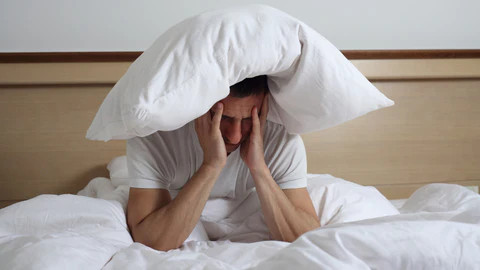
Indore Nightfall Treatment Doctor – Dr. Rajesh Rathi
What Is Nightfall? – Dr. Rajesh Rathi, Indore
Signs and Symptoms of Nightfall – Dr. Rajesh Rathi, Indore
Why Choose Dr. Rajesh Rathi for Indore Nightfall Treatment
Causes of Nightfall – Dr. Rajesh Rathi, Indore
Psychological Causes – Dr. Rajesh Rathi
Mental health plays a key role in nightfall frequency. Stress, anxiety, overthinking, performance pressure, and emotional tension can trigger frequent episodes. Over time, performance concerns and mental fatigue may worsen nightfall. Dr. Rajesh Rathi emphasises that counselling, cognitive techniques, and stress management strategies effectively reduce nightfall while improving emotional balance.
Biological and Medical Causes – Dr. Rajesh Rathi
Hormonal imbalances such as low testosterone, excessive sexual stimulation, thyroid disorders, or chronic illnesses can contribute to frequent nightfall. At Dr. Rajesh Rathi’s clinic, patients undergo comprehensive medical evaluation to detect and address these factors safely. Targeted interventions, including hormone correction and treatment of underlying conditions, help restore sexual health and energy.
Lifestyle-Related Causes – Dr. Rajesh Rathi
Lifestyle choices significantly impact nightfall frequency. Poor sleep, excessive pornography, irregular sexual activity, smoking, alcohol use, and lack of exercise contribute to frequent episodes. Dr. Rajesh Rathi provides personalised lifestyle guidance, including balanced nutrition, exercise, sleep optimisation, and moderation of sexual habits, to reduce nightfall and improve overall wellbeing.
Treatment Approach – Dr. Rajesh Rathi, Indore
Dr. Rajesh Rathi follows a holistic, step-wise approach for Indore Nightfall Treatment Doctor services:
Step 1: Detailed Consultation and Assessment
Treatment begins with a confidential consultation to evaluate medical history, sexual health, psychological factors, and lifestyle habits. Necessary investigations, including hormonal tests, are conducted to identify underlying causes.
Step 2: Psychological Counselling and Stress Management
Stress, anxiety, and emotional tension are addressed through structured counselling and cognitive-behavioural therapy. Patients learn relaxation techniques, mindfulness exercises, and coping strategies to manage mental triggers for nightfall.
Step 3: Hormonal and Medical Interventions
When hormonal imbalance or medical conditions are detected, targeted therapy is provided. Correcting testosterone levels, managing thyroid disorders, or addressing chronic illnesses restores sexual function and reduces nightfall frequency.
Step 4: Lifestyle Optimisation
Guidance is provided on sleep hygiene, diet, exercise, and reduction of harmful habits such as smoking, alcohol, and excessive pornography. These lifestyle adjustments enhance stamina, regulate sexual health, and support long-term recovery.
Step 5: Behavioural Therapy and Habit Management
Behavioural techniques help patients control sexual urges and adopt healthier sexual patterns. These methods, combined with counselling, form a complete recovery plan.
Step 6: Holistic Recovery Plan
By integrating consultation, therapy, lifestyle changes, and medical interventions when needed, patients receive a comprehensive, personalised plan ensuring sustainable improvement in sexual health, confidence, and overall wellbeing.
Benefits of Nightfall Treatment with Dr. Rajesh Rathi – Indore
- Reduced frequency of nightfall episodes
- Improved sexual confidence and performance
- Enhanced energy, stamina, and overall wellbeing
- Reduced anxiety and emotional stress
- Long-term, sustainable results
- Safe, personalised, and doctor-approved care
FAQs
Is nightfall normal?
Yes. Occasional nightfall is a normal physiological process, especially during adolescence. Frequent episodes may need professional evaluation to ensure proper sexual health.
Can nightfall be treated permanently?
Yes. Through structured therapy, lifestyle optimisation, and medical interventions when necessary, most patients achieve long-term reduction in nightfall frequency.
Does stress contribute to nightfall?
Yes. Anxiety, overthinking, and emotional stress are common triggers. Counselling and stress management techniques help patients control these triggers effectively.
Is treatment confidential?
Absolutely. All consultations, therapy sessions, and medical records at Dr. Rajesh Rathi’s clinic are completely private and secure.
Are medications necessary for all patients?
Not always. Many patients improve through counselling, lifestyle changes, and behavioural therapy. Medications are prescribed only when necessary and personalised for the individual.
- Additionally
- Moreover
- Furthermore
- Also
- In addition
- Not only that
- As well as
- Therefore
- As a result
- Consequently
- Because of this
- Hence
- Thus
- Due to
- However
- On the other hand
- Although
- Even though
- Whereas
- In contrast
- Similarly
- Likewise
- First