
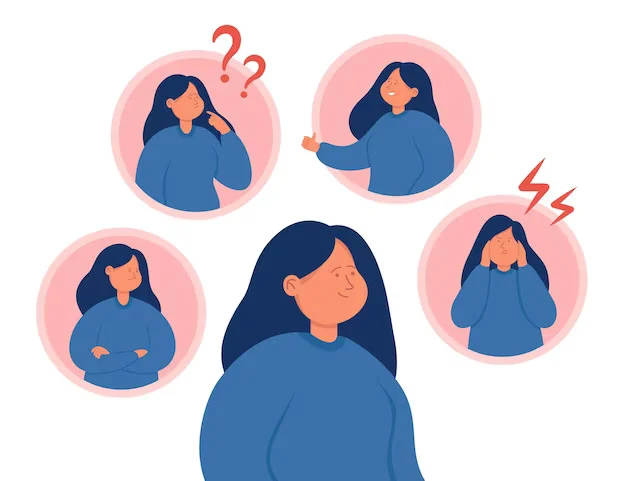
Indore Mood Disorder Specialist – Comprehensive Care by Dr. Rajesh Rathi
What Is a Mood Disorder Specialist and When to Consult One
A mood disorder specialist diagnoses, treats, and manages conditions that affect emotional regulation, mood stability, thought patterns, and overall mental health. Common mood disorders include:
- Depressive disorders — prolonged sadness, hopelessness, or lack of interest in daily life
- Bipolar disorder — alternating phases of elevated mood (mania/hypomania) and depression
- Persistent mood instability depending on stress, trauma or biological factors
- Chronic anxiety connected with mood fluctuations
You should consider consulting an Indore mood disorder specialist like Dr. Rathi when you notice sustained emotional difficulties such as:
- Deep or long-lasting sadness, hopelessness, or emotional numbness
- Frequent intense mood swings — from extreme lows to bursts of high energy or irritability
- Disruption in sleep patterns, appetite, concentration or daily routine
- Loss of interest in hobbies, social withdrawal, or relationship issues
- Recurrent panic, anxiety, or extreme mood responses to stress
Why Choose Dr. Rajesh Rathi as Your Indore Mood Disorder Specialist
Comprehensive Assessment and Personalized Treatment
Dr. Rathi conducts a detailed evaluation that considers psychological, biological, and social factors affecting mental health — including lifestyle, personal history, relationships, and stress-triggers. This enables tailored treatment rather than a “one-size-fits-all” approach.
Empathy, Respect and Confidentiality
Working with a mood disorder specialist requires trust and a safe space. At every step, Dr. Rathi offers a compassionate and non-judgmental environment, ensuring you feel heard, respected, and supported.
Evidence-Based Therapeutic Methods
Treatment plans often include psychotherapy, behavioural interventions, lifestyle modifications, and when necessary, medication — all guided by scientific principles. This balanced approach increases the chances of long-term emotional stability.
Long-Term Support and Relapse Prevention
Mood disorders often recur under stress or major life changes. As an experienced Indore mood disorder specialist, Dr. Rathi emphasizes relapse prevention, coping strategies, and regular follow-ups to maintain emotional well-being over time.
Treatment Approaches Commonly Used by Dr. Rathi
Psychotherapy and Cognitive-Behavioural Therapy (CBT)
Psychotherapy helps address deep-seated thought patterns, unresolved emotions, and behavioural triggers. CBT, in particular, allows patients to recognize negative thinking, challenge distorted beliefs, and develop healthier responses to stressors. This is especially effective for depression, anxiety, and mood regulation issues.
Behavioural Therapy & Lifestyle Interventions
Mood disorders often relate to sleep, diet, daily structure, and habits. Behavioural therapy helps in establishing healthy routines — regular sleep, balanced diet, exercise — which support stable mood regulation.
Medication Management (when needed)
For moderate to severe mood disorders — especially bipolar disorder or recurrent depression — medication may be necessary. Dr. Rathi oversees careful prescribing and periodic review to ensure safety and effectiveness alongside therapeutic care.
Emotional Regulation & Stress-Management Techniques
Patients learn coping strategies such as mindfulness, breathing exercises, relaxation techniques, and emotional awareness. These skills help manage stress, reduce emotional triggers, and maintain stability during challenging times.
Relapse Prevention & Regular Monitoring
Given the recurrent nature of many mood disorders, long-term follow-up with periodic sessions helps detect early warning signs, adjust treatment, and reinforce coping skills. This proactive approach reduces the likelihood of relapse and promotes sustained recovery.
Benefits of Consulting an Indore Mood Disorder Specialist
Emotional Stability & Balanced Mood — Patients regain a stable emotional baseline, reducing extreme highs and lows.
Improved Daily Functioning — Better focus, enhanced energy, improved sleep and appetite — helping restore normal life rhythms.
Enhanced Relationships & Social Well-being — Reduced irritability, better communication, and emotional clarity foster healthier relationships.
Greater Self-Awareness & Emotional Resilience — Understanding triggers and learned coping mechanisms build long-term strength.
Reduced Risk of Crisis and Relapse — Preventive strategies and continuous support lower risk of severe episodes or breakdown.
Overall Improved Quality of Life — Better mental health reflects in work performance, family life, hobbies, and personal growth.
When to Seek Help — Early Signs You Shouldn’t Ignore
FAQs
1. How long does treatment with a mood disorder specialist usually take?
Treatment duration varies with the nature and severity of the disorder. Some individuals may see improvement within a few weeks, while others—especially those with chronic or recurrent conditions—might require long-term therapy and follow-up.
2. Is medication always necessary for mood disorders?
Not always. Mild to moderate mood disturbances sometimes respond well to psychotherapy and lifestyle changes alone. However, for severe or recurrent mood disorders, medication along with therapy often brings better outcomes.
3. Can mood disorders be completely cured?
Many patients achieve lasting stability and a fulfilling life. While some disorders have recurring aspects, with proper therapy, coping strategies, and support, individuals manage symptoms effectively and reduce recurrence risk.
4. Is therapy confidential?
Yes. All consultations with Dr. Rajesh Rathi are conducted under strict confidentiality to maintain privacy and trust.
1. How long does treatment with a mood disorder specialist usually take?
Treatment duration varies with the nature and severity of the disorder. Some individuals may see improvement within a few weeks, while others—especially those with chronic or recurrent conditions—might require long-term therapy and follow-up.
2. Is medication always necessary for mood disorders?
Not always. Mild to moderate mood disturbances sometimes respond well to psychotherapy and lifestyle changes alone. However, for severe or recurrent mood disorders, medication along with therapy often brings better outcomes.
3. Can mood disorders be completely cured?
Many patients achieve lasting stability and a fulfilling life. While some disorders have recurring aspects, with proper therapy, coping strategies, and support, individuals manage symptoms effectively and reduce recurrence risk.
4. Is therapy confidential?
Yes. All consultations with Dr. Rajesh Rathi are conducted under strict confidentiality to maintain privacy and trust.
5. How soon should one seek help if mood changes appear?
As soon as you notice persistent mood disturbances that interfere with daily life, relationships, or mental health — early consultation with a mood disorder specialist is highly recommended. Early care improves prospects for recovery.
- Additionally
- Moreover
- Furthermore
- Also
- In addition
- Not only that
- As well as
- Therefore
- As a result
- Consequently
- Because of this
- Hence
- Thus
- Due to
- However
- On the other hand
- Although
- Even though
- Whereas
- In contrast
- Similarly
- Likewise
- First