
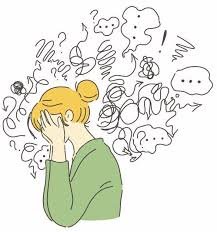
Indore Anxiety Treatment – Expert Psychiatric Care by Dr. Rajesh Rathi
Understanding Anxiety With Dr. Rajesh Rathi
Anxiety is a mental health condition characterized by excessive fear, worry, or apprehension. While normal stress is part of life, chronic anxiety can interfere with everyday functioning. Dr. Rajesh Rathi, as an expert in Indore anxiety treatment, emphasizes understanding each patient’s individual triggers, thought patterns, and lifestyle factors to create a tailored treatment plan.
Symptoms may present physically, emotionally, or cognitively. Common experiences include restlessness, rapid heartbeat, irritability, tension, difficulty concentrating, and sleep disturbances. Identifying the type and severity of anxiety is essential for effective treatment and better long-term outcomes.
Symptoms That Indicate the Need for Anxiety Treatment in Indore
Consulting Dr. Rajesh Rathi is recommended when individuals notice:
- Persistent, excessive worry or overthinking
- Sudden panic attacks or intense fear episodes
- Restlessness or inability to relax
- Irritability or emotional instability
- Trouble concentrating or making decisions
- Muscle tension, headaches, or gastrointestinal discomfort
- Sleep disturbances like insomnia
- Avoidance of social, work, or academic situations
- Feeling overwhelmed or constantly on edge
Early assessment helps manage symptoms effectively and prevents escalation.
Why Choose Dr. Rajesh Rathi for Anxiety Treatment in Indore
Selecting the right psychiatrist ensures accurate diagnosis and effective care. Many patients choose Dr. Rajesh Rathi due to his professional, empathetic, and structured approach:
Personalized Treatment
Each patient’s emotional, behavioral, and lifestyle factors are assessed to create individualized treatment plans for the best outcomes.
Comprehensive Diagnosis
Through a detailed evaluation, Dr. Rathi identifies the type, triggers, and severity of anxiety, enabling precise treatment.
Evidence-Based Therapy and Medication
Treatment may include cognitive-behavioral therapy (CBT), relaxation techniques, and selective medications when required, ensuring a balanced approach.
Focus on Long-Term Recovery
Beyond symptom relief, treatment strengthens coping skills, emotional resilience, and long-term stability.
Types of Anxiety Treated by Dr. Rajesh Rathi
A detailed evaluation forms the foundation of effective treatment. Dr. Rathi pAnxiety can manifest in different forms, each requiring specialized care:
1. Generalized Anxiety Disorder (GAD)
Constant worry about multiple areas of life, often accompanied by physical symptoms.
2. Panic Disorder
Sudden, intense episodes of fear with symptoms like palpitations, shortness of breath, or dizziness.
3. Social Anxiety Disorder
Fear of social interactions leading to avoidance and reduced self-confidence.
4. Specific Phobias
Excessive fear of objects, places, or situations causing distress and disruption.
5. Obsessive-Compulsive Anxiety
Recurrent thoughts and behaviors driven by anxiety that interfere with daily life.erforms a structured assessment involving your symptoms, medical history, emotional behaviour, lifestyle, and earlier treatments. This allows accurate diagnosis and helps identify the root cause of the issue. Furthermore, understanding these patterns ensures a personalised treatment plan that aligns with the patient’s mental and neurological needs.
Treatment Approach by Dr. Rajesh Rathi for Anxiety in Indore
Indore anxiety treatment under Dr. Rathi combines therapy, medication, and lifestyle changes for comprehensive care:
1. Psychotherapy and Counseling
Therapy sessions help patients identify negative thought patterns, manage triggers, and gradually face anxiety-inducing situations. CBT, exposure therapy, and mindfulness are commonly used.
2. Medication When Necessary
Selective serotonin reuptake inhibitors (SSRIs) or other medications are prescribed to address chemical imbalances contributing to anxiety. Regular monitoring ensures safety and effectiveness.
3. Lifestyle Adjustments
Healthy sleep, balanced nutrition, regular exercise, and structured routines support recovery and overall mental health.
4. Stress Management Techniques
Breathing exercises, guided relaxation, and mindfulness practices reduce stress and physical manifestations of anxiety.
5. Continuous Monitoring
Regular follow-ups assess progress, adjust therapy or medications, and ensure sustainable improvement.
When to Seek Anxiety Treatment in Indore
You should consult Dr. Rajesh Rathi immediately if you experience:
- Persistent worry or panic interfering with daily life
- Difficulty completing work, studies, or personal tasks
- Sleep or appetite disturbances
- Emotional instability or irritability
- Avoidance of social, academic, or professional situations
- Physical symptoms such as palpitations, headaches, or digestive issues
Early intervention ensures better recovery and prevents anxiety from becoming chronic.
Benefits of Anxiety Treatment With Dr. Rajesh Rathi
Reduced frequency and severity of anxiety episodes
- Improved emotional regulation and mood
- Enhanced focus, decision-making, and productivity
- Better social and professional interactions
- Strengthened coping skills and resilience
- Decreased reliance on avoidance behaviors or harmful coping mechanisms
- Long-term stability and prevention of relapse
Patients often feel more in control, confident, and capable of managing stress after structured treatment.
FAQs – Indore Anxiety Treatment
1. How long does anxiety treatment take?
The duration depends on severity, type, and individual response. Many patients see improvements within weeks, while consistent therapy ensures long-term results.
2. Is medication always necessary for anxiety?
Not always. Mild cases can improve with therapy and lifestyle modifications. Medication is prescribed when chemical imbalances contribute significantly to symptoms.
3. Can therapy alone be effective?
Yes, for mild to moderate anxiety, therapy alone may suffice. Severe cases often require a combination of therapy and medication.
4. Are consultations confidential?
Absolutely. All sessions and records with Dr. Rajesh Rathi are private and secure.
5. Can lifestyle changes help manage anxiety?
Yes. Consistent sleep, exercise, nutrition, and stress-reduction techniques enhance treatment outcomes and prevent relapse.
- Additionally
- Moreover
- Furthermore
- Also
- In addition
- Not only that
- As well as
- Therefore
- As a result
- Consequently
- Because of this
- Hence
- Thus
- Due to
- However
- On the other hand
- Although
- Even though
- Whereas
- In contrast
- Similarly
- Likewise
- First